
Defective drainage is one of the most common — and most overlooked — causes of rising damp, mould and rot in UK homes. Before you pay thousands for a damp-proof course, replastering or tanking, it's worth finding out whether a hidden drain fault is the real culprit. Often, it is.
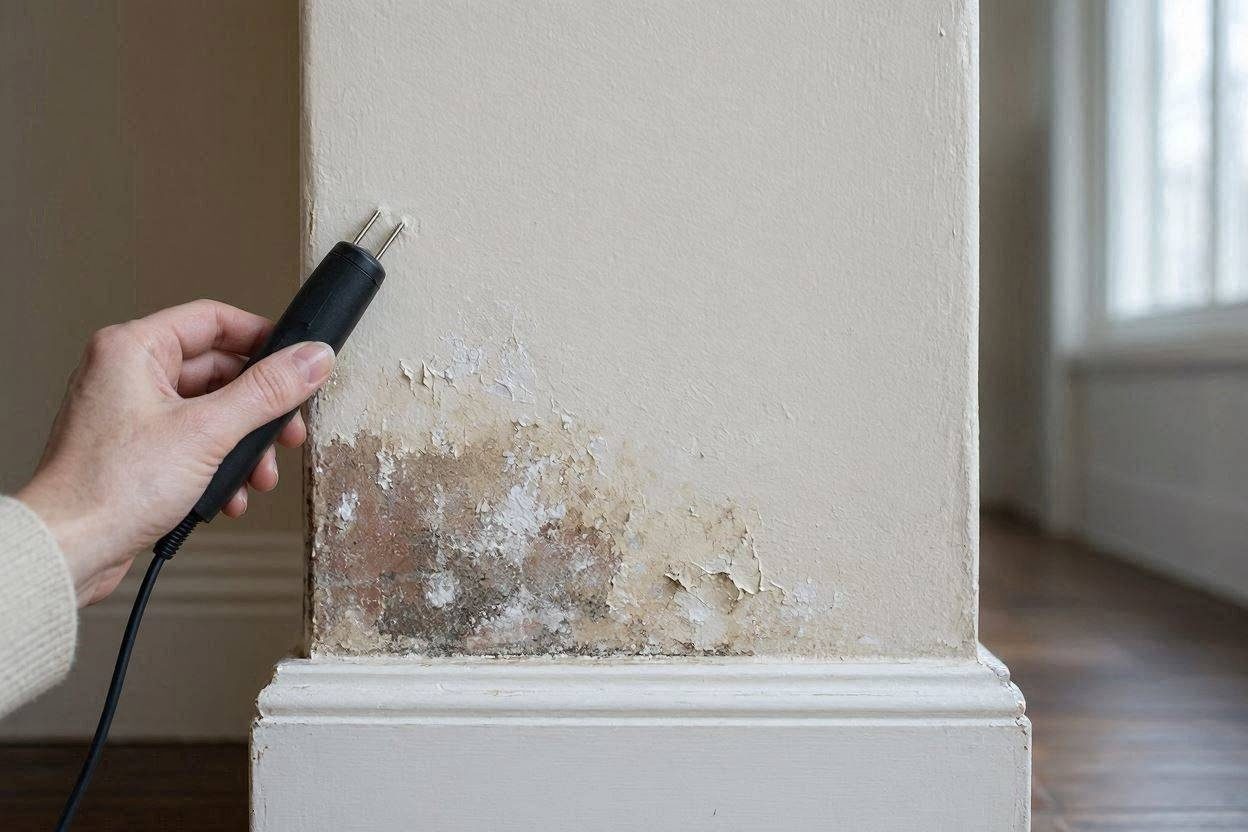
When a home has damp low down on the walls, tide marks, blistering plaster or a musty smell, the usual assumption is classic rising damp — and the usual "fix" is an injected damp-proof course and fresh plaster. But in a huge number of cases, the water isn't rising naturally through the brickwork at all. It's coming from a broken, blocked or badly-connected drain right next to the house.
Every day, drainage engineers find properties that have "suffered from rising damp for years" where the true cause turned out to be a cracked clay pipe, a defective drainage connection or a blocked soakaway quietly saturating the ground. Fix the drainage, and the damp finally has a chance to dry out. Miss it, and no amount of damp-proofing will hold — because you're treating the symptom, not the source.
The single best tip: check your drainage before you spend money trying to fix damp. It's cheaper, it's quicker, and it tells you what you're actually dealing with.
Four common ways a hidden drainage fault puts water where it shouldn't be.
Old clay drains crack, and joints move over time. Every time you flush or the rain runs off, water leaks straight into the ground beside your foundations — then wicks up into the brickwork through capillary action, showing as damp on the inside walls.
Where a soil pipe, gully or extension has been joined to the main drain badly — or never sealed properly in the first place — water constantly seeps out at the junction. This is one of the most common causes of persistent damp against a wall.
A blocked drain or overflowing gully spills water against the base of the wall every time it's used or it rains. The ground stays permanently wet, and that moisture has nowhere to go but into the structure.
When a soakaway blocks or was never built correctly, rainwater backs up and saturates the ground around the property instead of draining away — steadily feeding damp into the walls and floors.
If any of these ring true, get the drains checked before you treat the damp.
Damp that flares up during or after rainfall points strongly to surface water or a drainage fault rather than true rising damp.
Damp that's worst near a soil pipe, gully, manhole, downpipe or drain run is a classic sign the drainage is the source.
A drain or sewage smell alongside the damp usually means a cracked or leaking pipe nearby, not simple wall moisture.
If you've already had damp-proofing or replastering and the damp returned, the real cause was almost certainly never fixed.
White salt deposits, tide marks and bubbling or blown plaster low on the wall are typical where water is entering from outside.
Recurring blockages, gurgling drains or a sudden rat problem all suggest a damaged drain that could equally be feeding the damp.
Damp-proofing a house isn't cheap. An injected damp-proof course, hacking off and re-plastering affected walls, tanking and redecorating can run well into the thousands. And here's the problem: if the damp is coming from a drainage defect, none of that will fix it. The plaster stains again, the mould comes back, and the money's gone.
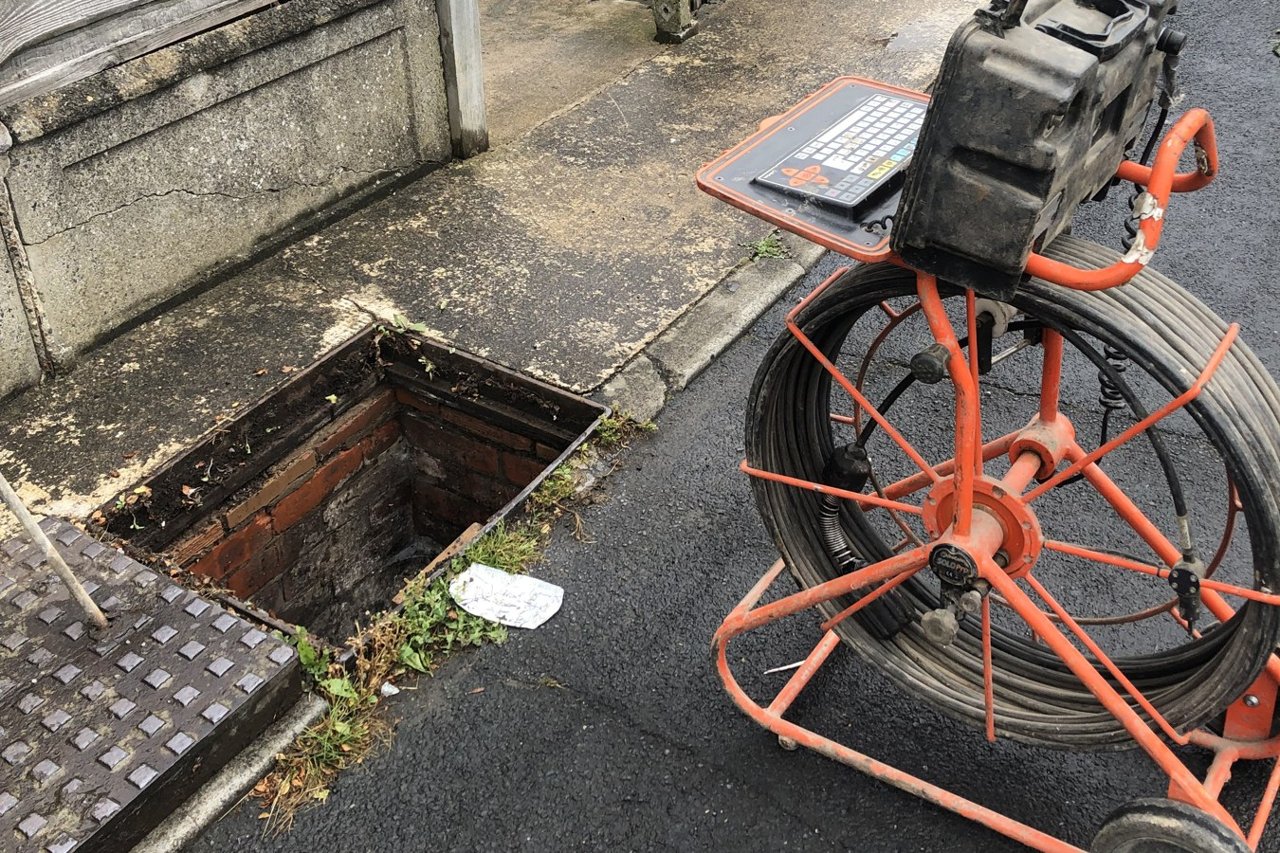
A CCTV drain survey costs a small fraction of that, and it answers the most important question first — where is the water actually coming from? If it's the drains, we can show you exactly which defect on camera, fix it, and let the wall dry out naturally. If it isn't, you'll know that too, and you can spend your damp-proofing budget with confidence instead of guesswork.
Common in older North East properties — and all fixable once we've found them.
The original salt-glazed clay drains in older homes crack and fracture with age, leaking into the surrounding ground.
Pipe joints that have opened up or shifted let water escape continuously at the connection point.
Badly-made or unsealed connections — often from extensions or DIY work — leak against the wall.
Soakaways that have silted up or collapsed back up rainwater into the ground around the house.
Cracked gullies and disconnected downpipes dump water straight at the base of the wall.
Tree roots break into drains, cracking pipes and blocking flow — a frequent hidden cause of both damp and blockages.
A simple, honest process — from camera to cure.
We send a camera through your drains to find any cracks, leaks, blockages or bad connections — and show you on screen.
You get a plain-English explanation and a written report identifying whether a drain is causing the damp, and where.
We fix it properly — no-dig relining, a new sealed connection, or clearing the blockage or soakaway. No cut corners.
With the water no longer escaping into the ground, the walls can finally dry — and the damp stays gone.
It's one of the most common jobs we go to. A homeowner has battled damp on a back wall for years — tried a damp-proof course, had it replastered, repainted it more than once — and it always comes back. Frustrated and out of pocket, they finally get the drains looked at.
On camera, the cause is obvious within minutes: a defective drainage connection, or a cracked pipe, leaking straight into the ground behind that exact wall. It had never been installed or maintained correctly. We repair the drainage properly, the ground stops getting soaked, and the wall dries out. The damp that "couldn't be fixed" was a drain all along.
If that sounds like your house, don't spend another penny on damp treatments until you've had the drains checked.
Check the drains before you spend on damp-proofing. A CCTV survey could save you thousands — call for honest advice either way.
Fixed £150 for domestic blockages only. Domestic & homebuyer CCTV surveys from £195. Everything else is quoted before we start.